The green fields lining the Bihar highway leading to Morwa village present a picture of abundance—lush crops of cabbage, radish, and freshly harvested paddy. However, as one enters Majhi Tola in Morwa village of Samastipur district, this prosperity quickly fades into a starkly different reality. The landscape shifts to clusters of dilapidated houses built under the Indira Awas Yojna.
This village is home to one of the most marginalized communities in India, where generations have faced systemic exclusion, limiting their access to education and healthcare. Despite gradual improvements, the gap between opportunity and access remains significant.
Kept at the Periphery: Invisible Musahars: The Musahar community, categorized under the ‘Mahadalit’ group, represents one of the most disadvantaged sections of society. Traditionally known as rat catchers, they are largely landless and depend on agricultural labor for survival.
Most families work as daily wage laborers, earning approximately ₹100 per day, often on lands owned by landlords. Employment remains highly irregular, with many families facing unemployment for nearly eight months each year.
Children frequently accompany their parents to fields or engage in rag-picking to support household income.
Key indicators reflect the depth of deprivation:
- Literacy rate: approximately 9.8%–10%
- Female literacy: around 1–2%
- Nearly 85% of the population affected by malnutrition
- Limited and inconsistent access to healthcare services
In Bihar, the Musahar population is estimated at around 2.2 million, with some estimates suggesting even higher numbers. Approximately 96.3% are landless, and 92.5% depend on agricultural labor.
Dismal Literacy and Educational Gaps:Education remains one of the most critical challenges. While Bihar’s overall literacy rate (7+ age group) stands at 71.2%, literacy among Scheduled Caste children is significantly lower at 48.17%, with Musahars recording the lowest levels.
Out of the total child population (0–17 years) of approximately 4.75 crore:
- Around 5% of children (6–14 years) are out of school
- 55% of these children have never enrolled
- 25% have dropped out
Additionally, only 38% of students complete secondary education, indicating major retention challenges.
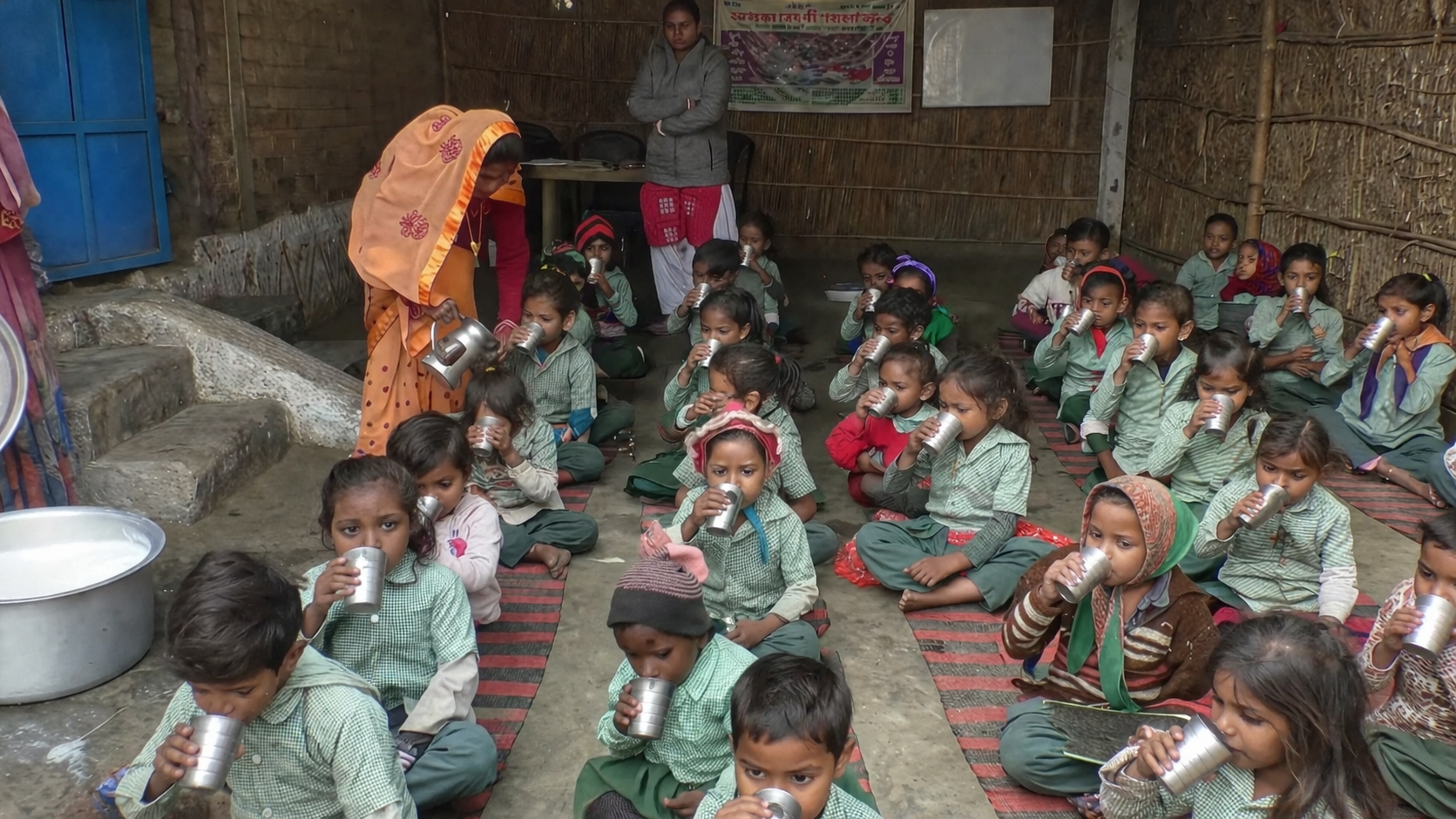
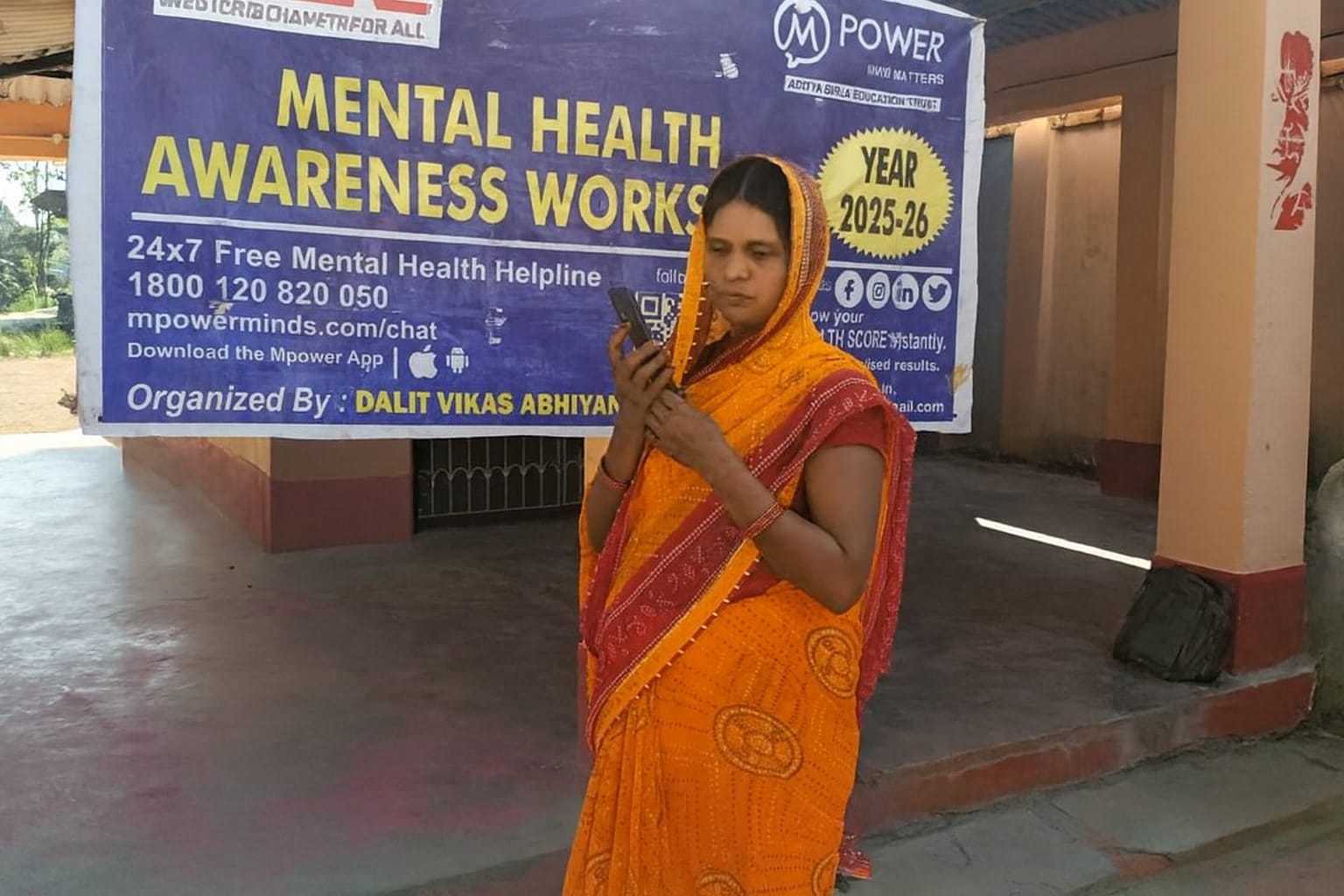
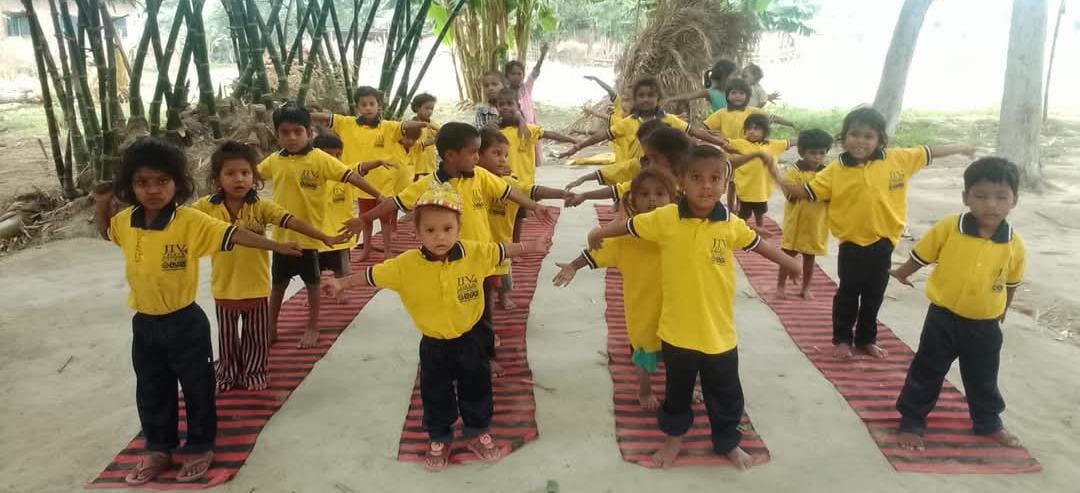
Education Access and Social Barriers: In Majhi Tola, out of nearly 1,650 Musahar families, only a small proportion have begun sending their children to nearby government schools in recent years. This shift has been supported through community efforts led by Dalit Vikas Abhiyan Samiti (DVAS), which has worked to encourage enrollment and awareness.
However, social barriers continue to persist:
- Instances of segregation within classrooms
- Perceptions and biases affecting classroom participation
- Hesitation among families due to past experiences
Efforts by local organizations are gradually addressing these challenges by engaging with students, parents, and teachers, though change remains a gradual process.
Determination for Education: Despite economic hardship, many families are demonstrating a strong commitment to their children’s education. Some parents invest in private tuition centers, paying approximately ₹200 per month per child, to supplement school learning.
In some cases, families are enrolling daughters in residential schools such as Kasturba Gandhi Balika Vidyalayas while ensuring that sons attend both government schools and additional coaching.
This reflects a growing aspiration for education as a pathway toward a better future, even in the face of structural constraints.
Mausam Kumari’s Story: Mausam Kumari, an 11-year-old girl, represents the lived reality behind these statistics. She was compelled to leave school to support her family as a daily wage laborer.
Her family relies on her contribution for survival. However, with the support of Dalit Vikas Abhiyan Samiti (DVAS), efforts are being made to re-enroll her in school and restore her educational journey.
Her story reflects both the vulnerability and resilience present within the community.
Systemic Challenges in Education: Several structural challenges continue to affect the quality and accessibility of education:
- Pupil-teacher ratio of approximately 36:1, higher than the national average of 23:1
- Limited availability of learning resources in some areas
- Delays in access to textbooks in certain periods
- Learning gaps due to irregular attendance
In some cases, financial support for educational materials has been provided directly to families, but access to books and learning materials has not always been consistent.
Additionally, a significant portion of allocated funds for elementary education has remained underutilized in previous years, highlighting the need for improved planning and implementation mechanisms.
Towards Strengthening the Education System: While policies such as the Right to Education Act provide a strong framework, effective implementation remains key to ensuring meaningful outcomes.
There is a need to focus on:
- Ensuring timely availability of textbooks and learning materials
- Strengthening teacher support and accountability systems
- Providing bridge courses and special training for out-of-school children
- Enhancing community engagement to reduce dropout rates
- Improving overall quality of education in government schools
Conclusion:The situation in villages like Majhi Tola reflects both the challenges and the possibilities within Bihar’s education system. While structural gaps remain, the determination of families, combined with community-driven initiatives led by organizations like Dalit Vikas Abhiyan Samiti (DVAS), is gradually creating pathways for change.
Strengthening elementary education is not just a policy priority—it is a foundational step toward ensuring equity, dignity, and opportunity for every child.
The path forward lies in collaborative efforts, sustained commitment, and a shared vision where no child is left behind, and every child is given a fair and meaningful chance to learn.